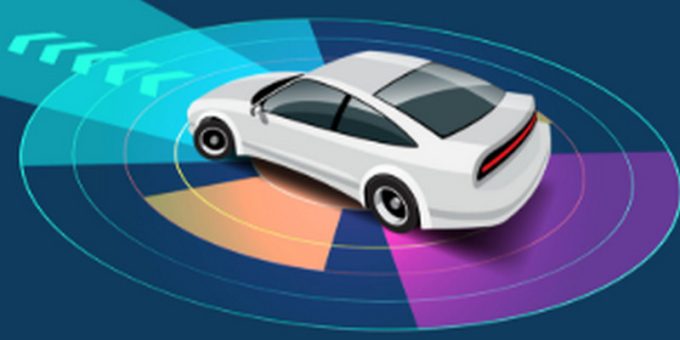
The shift toward Advanced Driver Assistance Systems (ADAS), Autonomous Vehicles (AV), and Connected Car Data is moving the needle of liability from the driver to the technology itself.
1. The Shift from Human Error to Technical Failure
Historically, over 90% of road accidents have been attributed to human error: distracted driving, speeding, or fatigue. As AI-driven safety features become standard, the nature of risk is changing.
-
ADAS Penetration: Features like Automatic Emergency Braking (AEB), Lane Keep Assist (LKA), and Blind Spot Monitoring are significantly reducing “fender benders.” However, while frequency of claims is dropping, the severity (cost) of claims is rising. A damaged bumper that once cost $500 to pop out now contains $3,000 worth of calibrated radar and ultrasonic sensors.
-
Product Liability vs. Personal Liability: As we move toward Level 3 and Level 4 autonomy (where the car can drive itself under specific conditions), the legal focus is shifting. If a self-driving system fails to “see” an object, the liability may shift from the owner’s policy to the manufacturer’s (OEM) product liability insurance.
2. Telematics and UBI: The End of the “Proxy” Era
For decades, insurers used proxies—age, zip code, credit score—to guess how risky a driver might be. New technologies have enabled Usage-Based Insurance (UBI) and BBI (Behavior-Based Insurance).
-
Real-Time Monitoring: Using smartphone sensors or built-in vehicle modems (like those in Tesla, BMW, or Ford), insurers can now track hard braking, cornering speeds, and time of day.
-
The “Pay-How-You-Drive” Model: This rewards safe habits instantly. Drivers are no longer penalized for being in a high-risk demographic (like being under 25) if their real-time data proves they are a cautious operator.
-
Continuous Underwriting: Instead of a yearly premium, insurance is becoming “fluid.” Rates can adjust monthly or even per-trip based on the specific risk environment.
3. The Role of “Connected” Data and Digital Twins
Modern vehicles generate terabytes of data. Insurers are now partnering with tech companies to create “Digital Twins” of driving environments to better predict claims.
-
Contextual Risk Assessment: AI can now cross-reference a car’s GPS data with real-time weather reports and traffic density. A driver taking a sharp turn on a dry afternoon is viewed differently than one doing so on an icy midnight.
-
First Notice of Loss (FNOL): When an accident occurs, “Connected” cars automatically alert the insurer. The vehicle sends a data packet containing the speed at impact, the direction of force, and which airbags deployed. This allows for near-instant claims processing and prevents “padding” of insurance claims.
4. New Risks: Cybersecurity and Software Updates
As cars become “computers on wheels,” they face threats that have nothing to do with physical collisions.
-
Cyber-Attacks: The risk of a fleet-wide hack or a ransomware attack on a vehicle’s software is a new frontier for insurers. “Cyber-Auto” policies are emerging to cover unauthorized remote access to vehicle controls.
-
Over-the-Air (OTA) Updates: A car’s safety profile can change overnight via a software patch. If a manufacturer updates an “Autopilot” feature that changes the braking distance, the insurer must recalibrate the risk profile of that entire model immediately.
5. The Future: Embedded Insurance and OEM Integration
The most significant disruption is the move toward Embedded Insurance. Automators are increasingly cutting out the middleman.
-
Manufacturer-Led Insurance: Companies like Tesla Insurance and GM’s OnStar Insurance use their proprietary data to offer lower rates than traditional carriers. Because they own the data and the repair network, they can verticalize the entire experience.
-
Subscription Models: As “MaaS” (Mobility as a Service) grows, insurance will likely be bundled into a monthly vehicle subscription or a per-mile “Robotaxi” fee, making the individual policyholder a thing of the past in urban centers.
Comparison: Traditional vs. Tech-Adaptive Insurance
| Feature | Traditional Insurance | Tech-Adaptive (2026+) |
| Pricing Basis | Demographic Proxies (Age, Credit) | Real-time Behavioral Data |
| Primary Liability | The Human Driver | The Software/OEM/Hardware |
| Claim Process | Manual Inspection & Reports | Automatic AI/Sensor-led FNOL |
| Risk Focus | Physical Collisions | Collision + Cybersecurity + Software |
| Repair Cost | Moderate (Sheet Metal) | High (Calibrated Sensors/Electronics) |
Conclusion: A Safer but More Complex Road
Technology is successfully driving down the number of accidents, which is a net win for society. However, the insurance industry is grappling with a world where accidents are rare but incredibly expensive, and where the “driver” is increasingly a line of code. For consumers, this means more personalized pricing, but it also requires a greater willingness to share data in exchange for those savings.
